
The Rivervue flood class action: what's alleged, what's been found, and what's still undecided
Residents of a Melbourne retirement village flooded by the Maribyrnong River in October 2022 are suing Melbourne Water in the Supreme Court of Victoria. The Victorian Ombudsman has already found that flawed flood modelling and errors in approved plans explain why the village flooded. The court hasn't decided anything yet. This piece separates what each source actually says.
On this page
What happened on 14 October 2022
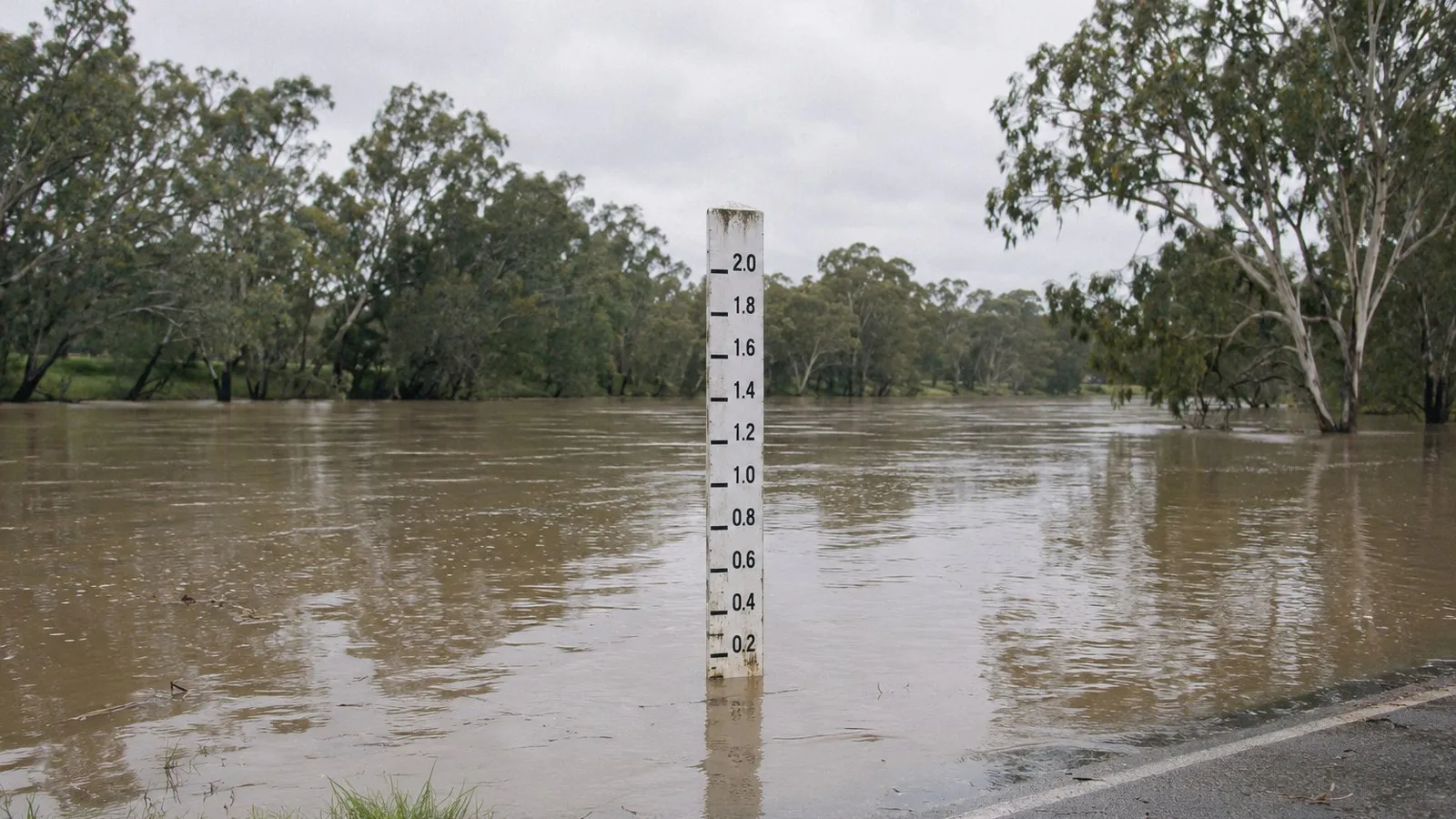
The Maribyrnong River broke its banks in the early hours of 14 October 2022. Maribyrnong City Council's recovery plan, published in March 2026, records that 512 properties were affected according to secondary impact assessments.
Rivervue Retirement Village sits beside the river at Canning Street, Avondale Heights. According to the Victorian Ombudsman, 45 villas were badly damaged and left unfit to live in for at least six months. Two more had minor damage, and about 70 residents had to move out.
What the class action alleges
The plaintiff holds a leasehold interest in a villa at the village. He brings the claim for people who held or hold a leasehold interest in a residential property there on or after 14 October 2022 and who say they suffered loss because of Melbourne Water's conduct. Mayweathers and William Roberts Lawyers act for the group, and LLS Australia Funding is funding the claim.
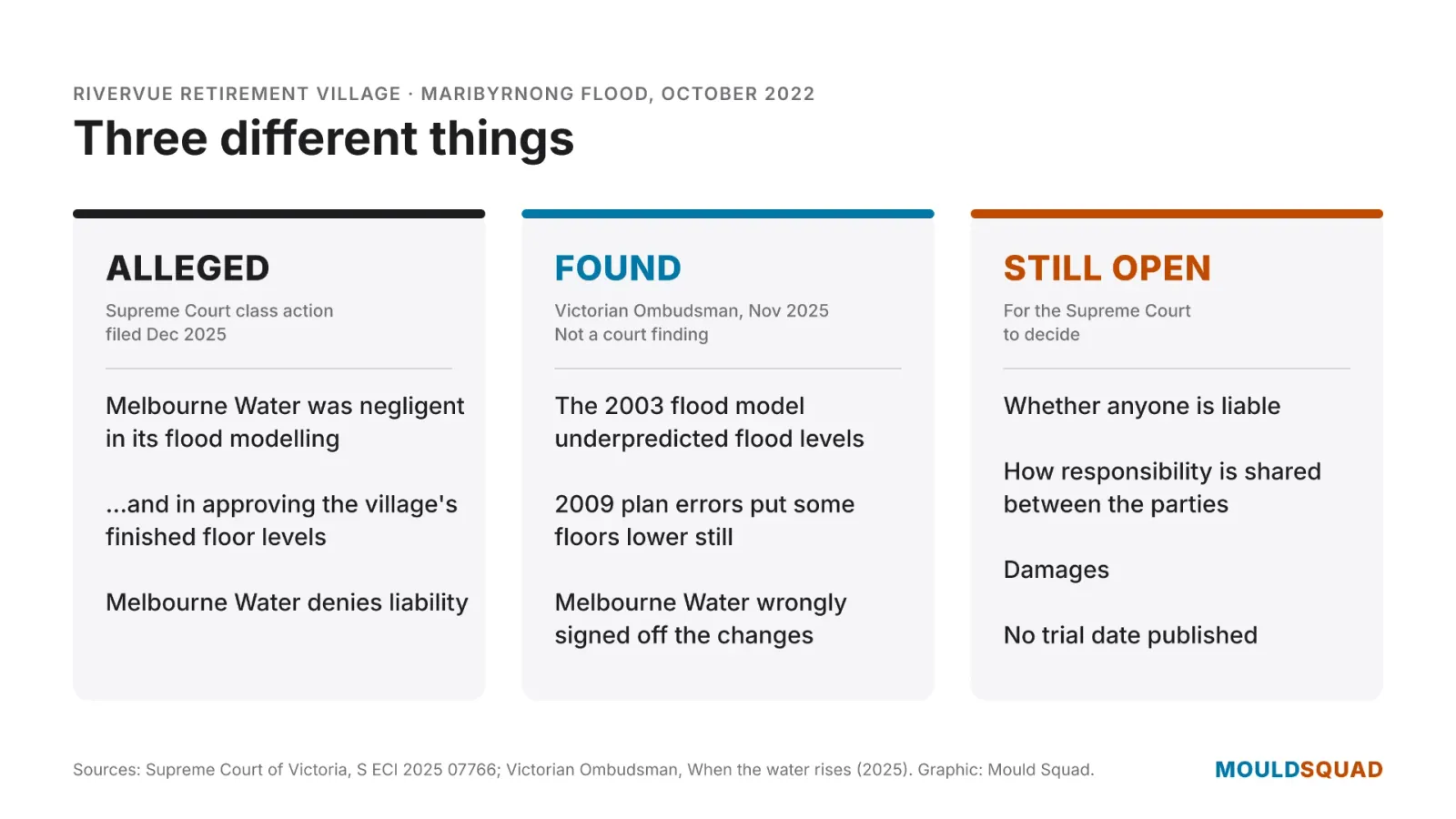
The Court's summary puts the case simply. Melbourne Water is alleged to have been negligent in its flood modelling and its development approval of finished floor height levels, causing the village to flood. The planning permit required finished floor levels to be at least 600 mm above the applicable flood level. The pleadings focus on how that flood level was modelled and how later changes to floor levels were approved.
These are allegations. None of them has been tested at trial.
What Melbourne Water says in its defence
Melbourne Water's Amended Defence was filed on 23 June 2026. It denies that it caused the group's loss. On the record, it also:
- admits that on 22 April 2009 it consented to lowering the finished floor levels of 33 dwellings and the clubhouse, and that 25 of those levels were below the required levels. It says it consented on the basis that flood-mitigation earthworks had been completed to its requirements.
- pleads proportionate liability under Part IVAA of the Wrongs Act 1958 (Vic). If it is liable, its share should be limited to what the court considers just.
- names other parties as concurrent wrongdoers. These are GHD, the consultancy behind the 2003 flood modelling; a planning consultant and two other companies it alleges were involved in a March 2009 letter about floor levels; and Moonee Valley City Council, over a later consent.
On 19 June 2026 Justice Keogh joined Moonee Valley City Council as a second defendant. Melbourne Water has also issued a third-party notice against GHD, which filed its defence in August 2026. Each of those parties has its own position, and none has been found liable.
What the Ombudsman found
The Victorian Ombudsman's report, When the water rises: Flood risk at two housing estates, was released on 19 November 2025 after a referral from the Legislative Council. It is the most detailed public account of why Rivervue flooded. Its key findings:
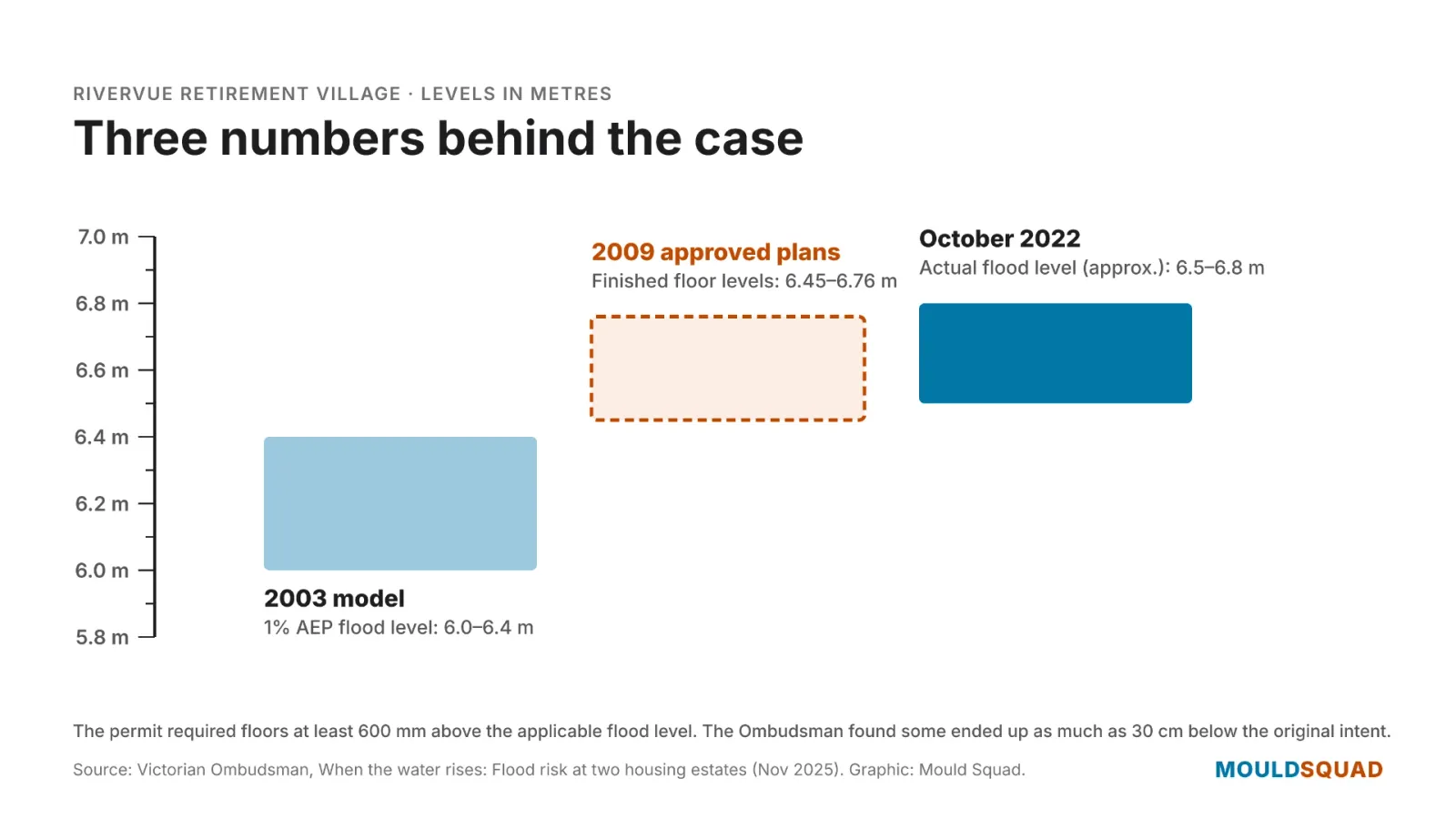
- The model underpredicted. Melbourne Water's 2003 model for this stretch of river was built in about two weeks and wasn't calibrated against historic floods. It predicted lower levels than the 1974 flood had actually reached. It estimated a 1% annual exceedance probability (AEP) flood level of 6.0–6.4 m at Rivervue. In October 2022 the water reached roughly 6.5–6.8 m.
- Plan errors put some homes lower still. Revised plans in 2009 set floors at 6.45–6.76 m, below the required level in all but one case. Some floors ended up as much as 30 cm below the original intent. The Ombudsman found Melbourne Water wrongly signed off on those changes and couldn't explain why. The council endorsed the revised plans that contained the error.
- The 2016 overlay change wasn't the cause. Removing a flood planning overlay in 2016 was wrong in hindsight. But the Ombudsman found it had no impact on the design of the homes, and found no evidence of improper influence.
- Residents need support now. The Ombudsman recommended a support program for affected residents, including compensation for direct financial losses. Melbourne Water has said it accepts the recommendation directed to it.
Why this distinction matters: the Ombudsman investigates administrative conduct and makes recommendations. It doesn't decide civil liability. The Supreme Court will decide the negligence claim on the evidence before it, which may or may not line up with the Ombudsman's view.
The other reviews
Two earlier processes are often confused with this case:
- Melbourne Water's independent review, led by former judge Tony Pagone, reported on the flood's causes in October 2023. Its later report on the Flemington Racecourse flood wall found the wall increased flood extent across the catchment by 1 per cent. Melbourne Water said that wasn't enough to justify removing the wall.
- The Legislative Council's inquiry into the October 2022 floods tabled its final report on 30 July 2024.
Neither process decided anyone's legal liability.
Why this matters beyond one retirement village
1. A flood level on a permit is a model output, not a fact. At Rivervue, a design flood level from a 2003 model became a permit condition, then floor levels, then the frame of a 2026 court case. If you manage a site near a waterway, find out which flood model and version sits behind its flood level and freeboard, and whether that model has been updated. Melbourne Water released new Maribyrnong modelling in 2024.
2. Old approvals don't stay old. A 2009 consent is at the centre of pleadings filed in 2026. Keep approval records, consents and as-built surveys, including finished floor levels, where the next facility manager can find them.
3. Responsibility gets shared, and argued about. Victoria's proportionate-liability regime lets a defendant argue that others share responsibility. NSW is different for some building claims: the High Court's 2024 Pafburn decision held that builders and developers can't apportion liability for a breach of the statutory duty under the NSW Design and Building Practitioners Act. Contracts and insurance should be set up with the regime that actually applies in mind.
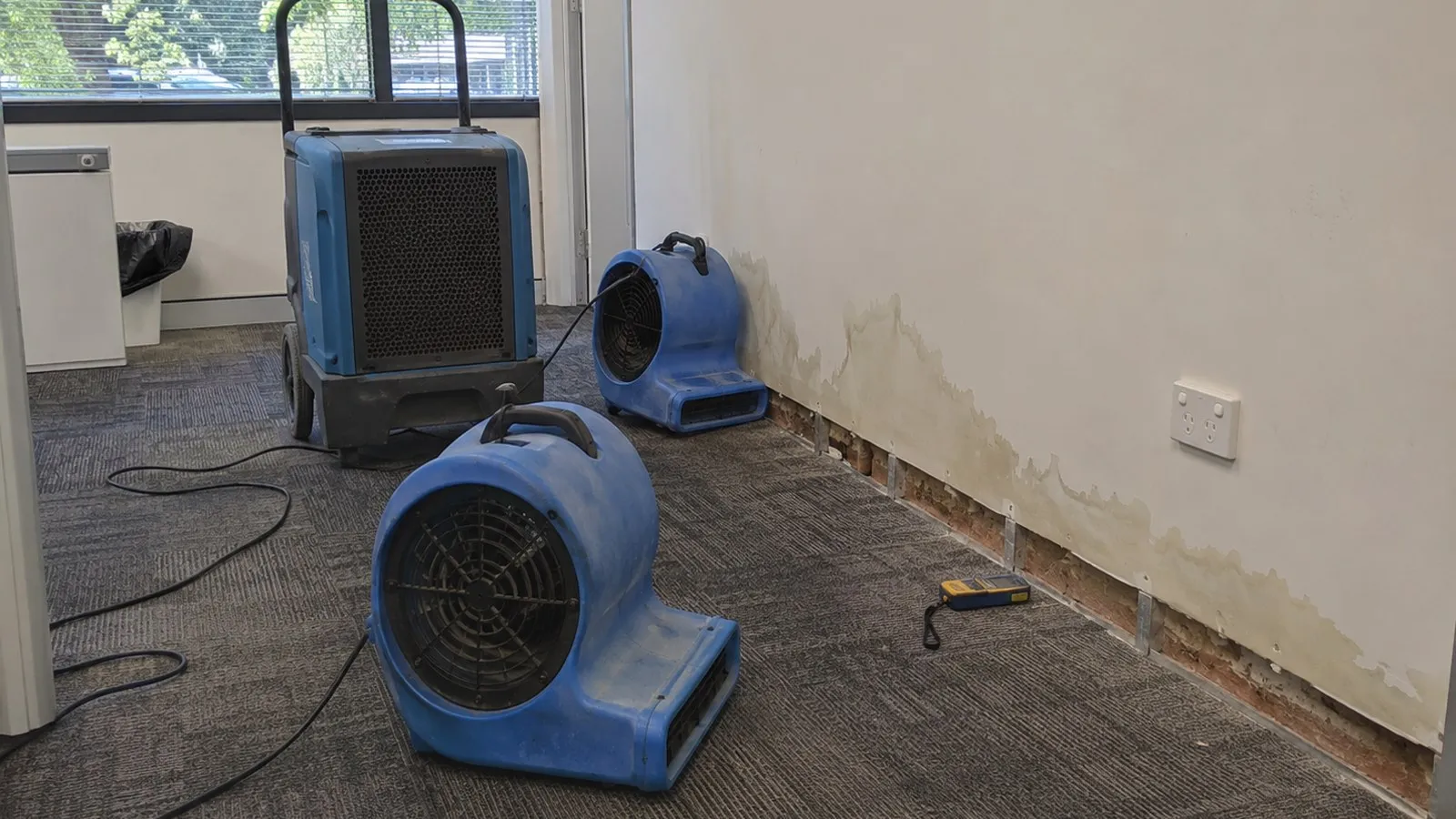
4. Post-flood records can outlive the clean-up. Water category, flood-height marks, moisture mapping, photos and drying logs are written for the restoration job. They can later become the factual record that insurers, loss adjusters, reviewers or courts rely on. Restoration documentation is worth doing to that standard.
5. Vulnerable occupants raise the stakes. The Ombudsman noted it found no separate safety assessment for vulnerable older residents on a reclaimed floodplain. Aged care, retirement living, health and disability accommodation need flood planning that matches the people inside, not just the building.
Questions worth asking about your own sites
- What design flood level applies, from which model, and when was it last reviewed?
- Do we hold as-built finished floor levels, or only design drawings?
- If we flooded tomorrow, who records water depth, category and affected materials in the first 24–48 hours?
- Does our emergency plan account for residents or occupants who can't move quickly?
What happens next
The proceeding is at the pleadings stage. Watch the Supreme Court's class action page for new orders, any mediation or settlement notices, and a trial date. We'll update this article when the court record changes. We won't predict the outcome.
Sources
- Supreme Court of VictoriaRivervue Retirement Village Group Proceeding (Class Action)Writ and statement of claim (23 Dec 2025), orders of Keogh J (19 Jun 2026), Amended Defence (23 Jun 2026), Amended Group Proceeding Summary Statement (23 Jul 2026), Amended Third Party Notice (3 Aug 2026), defence of first third party (Aug 2026).
- Supreme Court of VictoriaAmended Defence of Melbourne Water Corporation23 June 2026
- Victorian OmbudsmanWhen the water rises: Flood risk at two housing estates19 November 2025
- Melbourne WaterStatement in response to Victorian Ombudsman report
- Melbourne WaterMaribyrnong Flood Independent Review Panel issues final reportFlemington wall finding.
- Parliament of Victoria, Legislative Council Environment and Planning CommitteeFinal report into October 2022 flood event30 July 2024
- Maribyrnong City CouncilOctober 2022 Maribyrnong River Flood Recovery PlanMarch 2026
- High Court of AustraliaPafburn Pty Limited & Anor v The Owners – Strata Plan No 84674 [2024] HCA 49
This article reports on a proceeding that is before the court. It is general information, not legal advice, and doesn't suggest how the case will be decided. Mould Squad isn't involved in the proceeding.